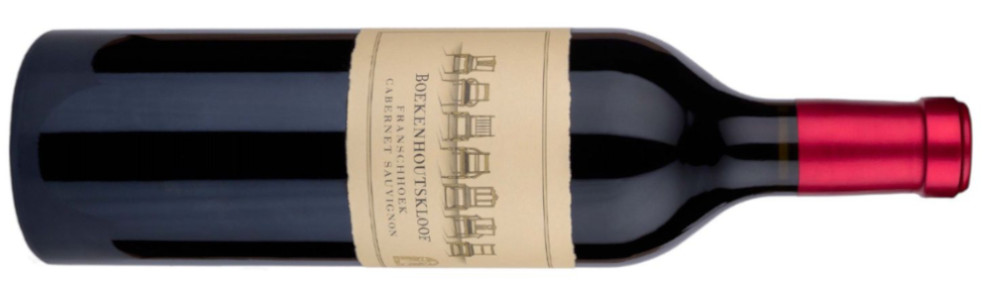
Boekenhoutskloof Franschhoek Cabernet Sauvignon 2020
Franschhoek, Coastal Region, South Africa
€235 In Bond MJ 19+
Case of 6 •€39.17 / btl Due In

You have no items in your shopping cart.
Alheit | Klein Constantia | Porseleinberg | Boekenhoutskloof | Reyneke | Minimalist Wines | Sakkie Mouton
South Africa is the most exciting fine wine producing country in the world right now. Nowhere else offers the combination of extraordinary terroir, centuries of winemaking history, a generation of brilliantly talented producers working with genuine philosophical conviction, and prices that remain compelling relative to the quality in the glass. For collectors who discovered Burgundy a decade ago, South Africa in 2025 occupies a similar position: a region whose finest wines are drawing international critical attention and collector demand whilst remaining genuinely accessible compared with the most celebrated European appellations.
Franschhoek, Coastal Region, South Africa
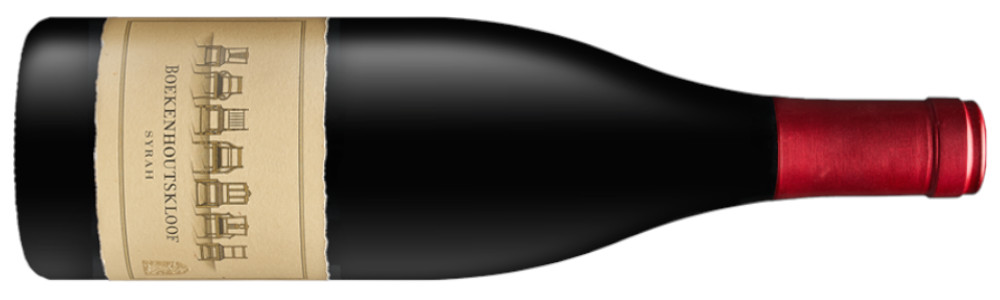
Swartland, Coastal Region, South Africa
Swartland, Coastal Region, South Africa
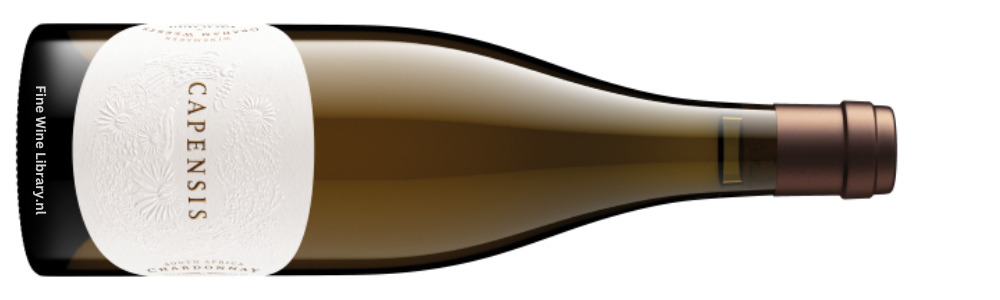
+ Other formats available
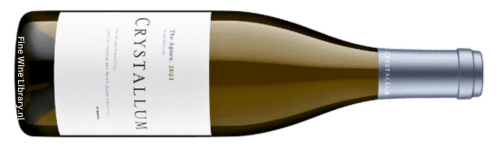
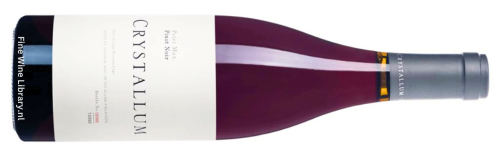
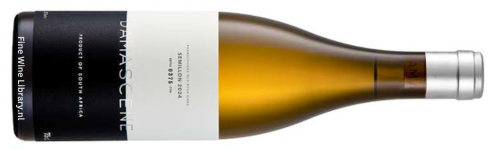
Franschhoek, Coastal Region, South Africa
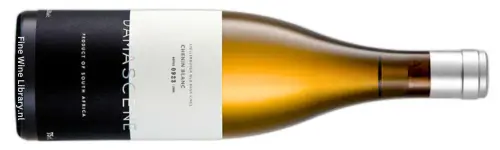
Stellenbosch, Coastal Region, South Africa
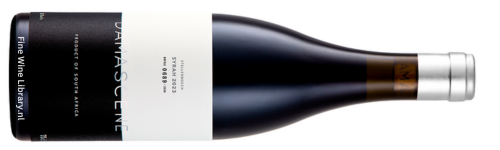
Stellenbosch, Coastal Region, South Africa
Stellenbosch, Coastal Region, South Africa
Stellenbosch, Coastal Region, South Africa
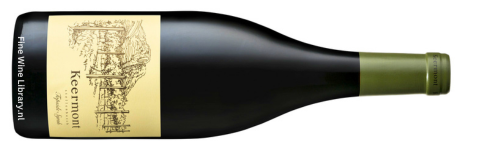
Stellenbosch, Coastal Region, South Africa
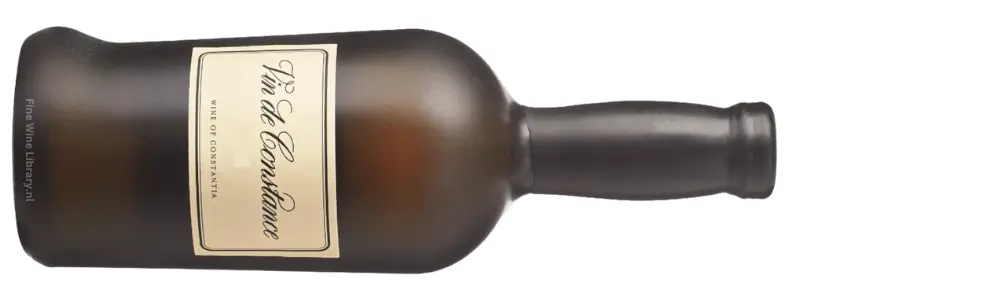
Constantia, Coastal Region, South Africa
Constantia, Coastal Region, South Africa
Constantia, Coastal Region, South Africa
+ Other formats available
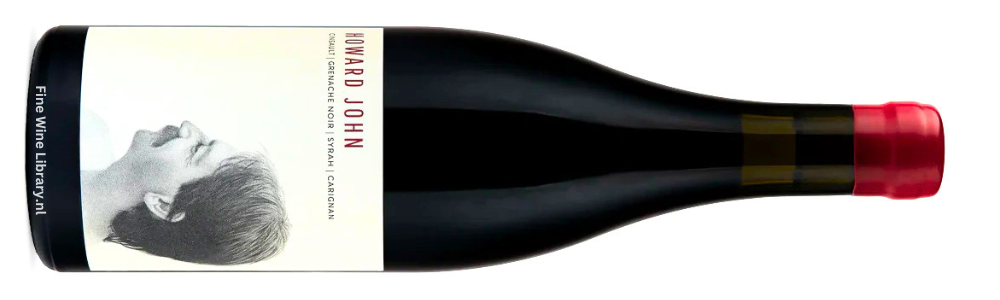
Paarl, Coastal Region, South Africa
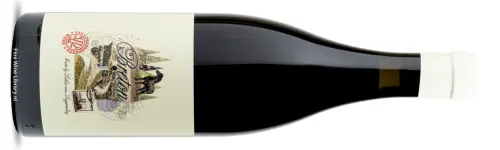
Stellenbosch, Coastal Region, South Africa
Stellenbosch, Coastal Region, South Africa
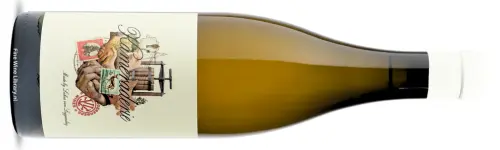
Paarl, Coastal Region, South Africa
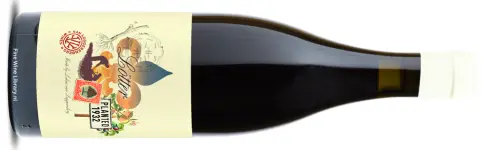
Stellenbosch, Coastal Region, South Africa
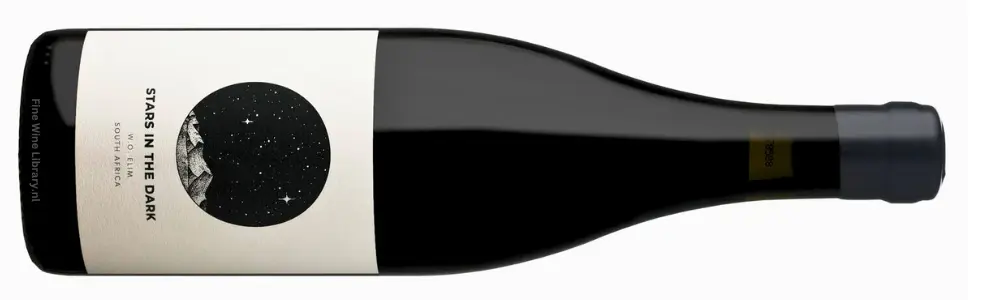
Elim, Cape South Coast, South Africa
The Cape Winelands stretch across a remarkably diverse landscape of granite mountains, ancient schist soils, marine-influenced valleys and fog-cooled coastal slopes within an hour or two of Cape Town. This diversity of geology and microclimate, concentrated within a relatively compact area, produces wines of equally remarkable stylistic diversity: the powerful mineral Syrah of the Swartland, the Burgundian Pinot Noir and Chardonnay of the Hemel-en-Aarde Valley, the historic sweet wine of Constantia, the elegant Bordeaux blends of Stellenbosch. South Africa is not a one-note wine country but a collection of genuinely distinct terroirs, each producing something that cannot be found anywhere else.
The generation of producers now working in the Cape, from Eben Sadie and Andrea and Chris Mullineux in the Swartland through Hamilton Russell in the Hemel-en-Aarde Valley to Bruwer Raats in Stellenbosch, are not simply making better versions of what came before. They are asking fundamental questions about what their specific terroir is capable of and building an answer in the glass that is compelling, ambitious and increasingly recognised by the collectors and critics who matter most.
The case for collecting South African wine seriously rests on three foundations that rarely align in a single region at the same moment.
Quality is at a generational peak. The Swartland Revolution of the early 2010s, led by Sadie and a collective of like-minded producers who rejected the industrial approach to Cape winemaking, established a new standard for what the region's old bush vines could achieve. That revolution has since spread across the Cape, raising ambitions and standards in every appellation from Constantia to the Hemel-en-Aarde Valley to the cool slopes of Elgin.
The critical establishment has followed. Tim Atkin's annual South Africa report has become the most important single document in Cape fine wine, and the scores achieved by the finest estates from producers like The Sadie Family, Porseleinberg and Mullineux now regularly match or exceed anything being achieved in the more established fine wine regions of the world.
Value remains exceptional. The finest South African wines are priced at a significant discount to European equivalents of comparable quality, reflecting the region's still-developing international profile rather than any deficiency in the wines themselves. Collectors who understand this are building positions in estates and vintages that a more widely recognised collector market would price considerably higher.
South Africa's Wine of Origin (WO) system is the formal classification framework that governs wine production and geographical labelling, established in 1973 and progressively refined since. It divides the Cape into geographical units, regions, districts and wards of increasing specificity, each of which can appear on the label if a wine qualifies under the relevant production rules.
The principal geographical unit for fine wine is the Western Cape, which encompasses the majority of the region's significant producers. Within the Western Cape, the Coastal Region is the most important collective designation, covering Stellenbosch, Swartland, Franschhoek, Paarl and Constantia among others. The Cape South Coast region covers the Hemel-en-Aarde Valley, Elgin and the more southerly coastal appellations. A wine labelled with a specific district or ward carries a stronger geographical guarantee of origin and typically represents a more specific and considered terroir statement than a broader regional designation.
The Old Vine Project, whilst not a formal classification, has become one of the most important quality indicators in South African wine. Producers who source from vineyards of 35 years or older, which qualify for the Old Vine Project's Certified Heritage Vineyard seal, are typically making some of the Cape's most compelling and age-worthy wines. The concentration of flavour, natural balance and mineral complexity that old bush vines produce in South Africa's warm, dry climate is one of the region's most distinctive and irreplaceable assets.
The epicentre of the South African wine revolution.
The Swartland is South Africa's most important fine wine region for collectors and the territory that established the modern Cape's international reputation. Built on ancient Malmsbury shale and granite soils, farmed by dry-land bush vines that in some cases are 50 or more years old, the region produces wines of extraordinary concentration, mineral depth and longevity. The Sadie Family and Porseleinberg are the essential references. Mullineux, David & Nadia and Alheit Vineyards complete a remarkable producer roster in a region that was producing bulk wine for co-operatives as recently as the 1990s.
South Africa's most historic and versatile fine wine district.
Stellenbosch has been the centre of South African wine for over three centuries and remains its most diverse and celebrated district, producing exceptional Cabernet Sauvignon, Syrah, Chenin Blanc, Bordeaux blends and Pinotage from a wide variety of soil types and elevations across its granite and decomposed granite hillsides. Meerlust and Kanonkop represent the historic estates whose reputations have been established across decades. Keermont, Reyneke, Lukas van Loggerenberg, Raats Family, Damascene, Vergelegen and Taaibosch represent the compelling newer generation.
South Africa's answer to Burgundy for Pinot Noir and Chardonnay.
The Heaven and Earth Valley near Hermanus is the Cape's most celebrated cool-climate wine district, where marine influence from Walker Bay moderates temperatures and produces growing conditions of exceptional natural balance for Pinot Noir and Chardonnay. Hamilton Russell established the appellation's reputation over four decades and remains the essential benchmark. Bouchard Finlayson, Crystallum and Restless River have added further critical depth to one of the most consistently exciting appellations in the Cape.
The birthplace of South African wine and home of the world's most historic sweet wine.
Constantia is the oldest wine-producing area in South Africa, established in 1685 by Governor Simon van der Stel on the slopes of the Constantiaberg mountain south of Cape Town. The valley's combination of gentle slopes, deep weathered granite soils and cool maritime breezes creates conditions of exceptional natural balance. Klein Constantia produces the Vin de Constance, the legendary sweet Muscat wine that captivated Napoleon Bonaparte and Charles Dickens and was once one of the most celebrated and expensive wines in the world. Restored in 1986 after more than a century of absence, it remains one of the most historically resonant and compelling wines produced anywhere in the southern hemisphere.
A valley of exceptional diversity shaped by Huguenot tradition.
Settled by French Huguenot refugees in 1688, Franschhoek's enclosed valley of granite and sandstone soils produces wines of impressive diversity, from Semillon and Chenin Blanc whites to powerful red blends. Boekenhoutskloof is the most celebrated estate, producing wines across a range of styles including the iconic Chocolate Block and some of the finest Syrah produced in the Cape. Damascene produces outstanding old-vine Semillon from some of the valley's most ancient plantings.
Cool-climate precision from South Africa's highest wine valley.
Elgin's elevated position in the Overberg mountains and the cooling influence of the nearby ocean produce one of the Cape's most naturally cool growing climates, ideal for Chardonnay, Pinot Noir and Sauvignon Blanc of exceptional freshness and precision. Lismore, under Samantha O'Keefe, produces wines of compelling mineral definition that have established the estate as one of the most celebrated in South Africa's cool-climate story.
Historic granite soils and an increasingly ambitious producer landscape.
Paarl's warm, granite-dominated hillsides have historically been associated with powerful red wines and are home to Vilafonte, the ambitious collaboration between South African wine legend Mike Ratcliffe and Zelma Long, producing Bordeaux-inspired blends of genuine international ambition.
Chenin Blanc is South Africa's most planted and most historically significant white variety, with old vine plantings of 40 or more years producing wines of extraordinary complexity and depth that are now attracting serious international collector attention. The finest old-vine Chenin Blancs, from producers such as The Sadie Family, Alheit Vineyards, Mullineux and David & Nadia, combine the variety's natural mineral freshness and textural complexity with the concentration of very old bush vines in ways that make them genuinely irreplaceable.
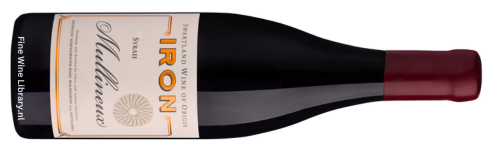
South African Syrah has emerged as one of the most compelling and internationally discussed expressions of the variety outside the Northern Rhone, combining the peppery, mineral character of great Syrah with a specificity of terroir expression that reflects the Cape's ancient soils. Porseleinberg, whose Syrah from Swartland granite regularly draws comparison with Cote-Rotie, and Mullineux, Damascene and Keermont are among the finest producers of Cape Syrah.
South African Pinot Noir is a relatively recent phenomenon but one of the most rapidly improving stories in Cape wine. The Hemel-en-Aarde Valley provides the ideal cool-climate conditions for the variety, and Hamilton Russell, Crystallum and Bouchard Finlayson are producing wines that compete directly with the finest Pinot Noir from outside Burgundy.
Stellenbosch has a long tradition of Bordeaux-style red wines and the finest examples from Meerlust, Kanonkop and Vergelegen demonstrate what the variety can achieve in the Cape's warm, well-drained granite soils over many years of careful vine management.
South Africa's own crossing of Pinot Noir and Cinsault, Pinotage divides opinion but achieves genuine distinction in the hands of the finest producers. Kanonkop, whose Paul Sauer is one of the most important Stellenbosch wines, produces a Pinotage that has redefined what the variety can achieve at the highest level.
Fine Wine Library's South African range is built around the producers who are making the most compelling and age-worthy wines in the Cape, with a focus on estates whose quality is recognised by the most authoritative critics of the region.
The Sadie Family is the most important estate in South African wine, producing Columella and Palladius alongside a range of single-vineyard old-vine wines that have transformed global perceptions of what the Cape is capable of. Porseleinberg produces Syrah of a quality that places it among the finest expressions of the variety in the world. Mullineux is the Swartland's most decorated estate, with Tim Atkin 100-point scores across multiple vintages. Hamilton Russell has pioneered cool-climate Pinot Noir and Chardonnay in the Hemel-en-Aarde Valley across four decades.
Alheit Vineyards, David & Nadia, Boekenhoutskloof, Klein Constantia, Meerlust, Kanonkop, Crystallum, Bouchard Finlayson, Restless River, Keermont, Reyneke, Lukas van Loggerenberg, Damascene, Raats Family, Vergelegen, Vilafonte, Lismore, Graham Beck, Capensis, Minimalist Wines, Anwilka, Taaibosch, Sakkie Mouton, Scions of Sinai and Thistle & Weed complete a roster that represents the full depth and range of fine South African wine production.
All South African wines purchased through Fine Wine Library are held In Bond, excise duty free, with guaranteed provenance and perfect storage conditions. Every bottle is sourced with a focus on provenance, condition and long-term collector potential.
A generation of talented producers working with old-vine terroir of extraordinary character, combined with critical recognition from Tim Atkin and others and pricing that has not yet caught up with quality, makes South Africa the most compelling collector proposition in fine wine at this moment.
The principal fine wine regions are Swartland, Stellenbosch, Hemel-en-Aarde Valley, Constantia, Franschhoek, Elgin and Paarl.
Chenin Blanc is South Africa's most planted and historically most significant white variety, with old bush vine plantings producing some of the most compelling wines in the Cape. For red wine, Syrah from the Swartland and Cabernet Sauvignon from Stellenbosch are the leading varieties.
The Sadie Family is widely regarded as the most important estate in South African fine wine, with Eben Sadie's influence on the modern Cape extending well beyond his own wines.
Tim Atkin MW produces an annual South Africa report that functions as the most authoritative critical assessment of Cape fine wine. He has also proposed a Cape Classification system, modelled loosely on the concept of a formal quality hierarchy, identifying the producers and wines consistently operating at the highest level of quality in the country.
Buy Hemel-en-Aarde Valley Wine
Tim Atkin 2025 Cape Classification
Why South Africa is the Most Exciting Wine Region